LimeDB
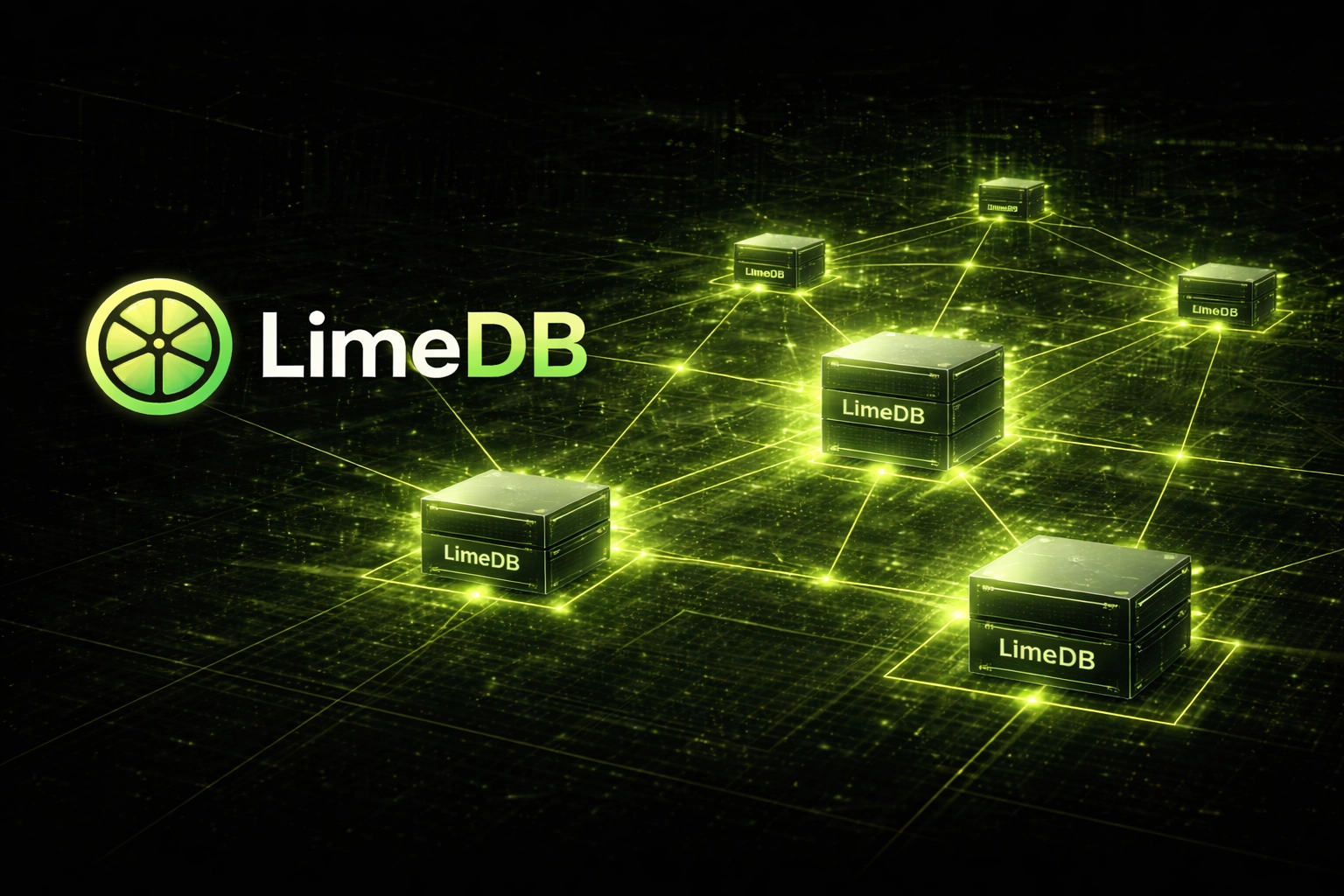
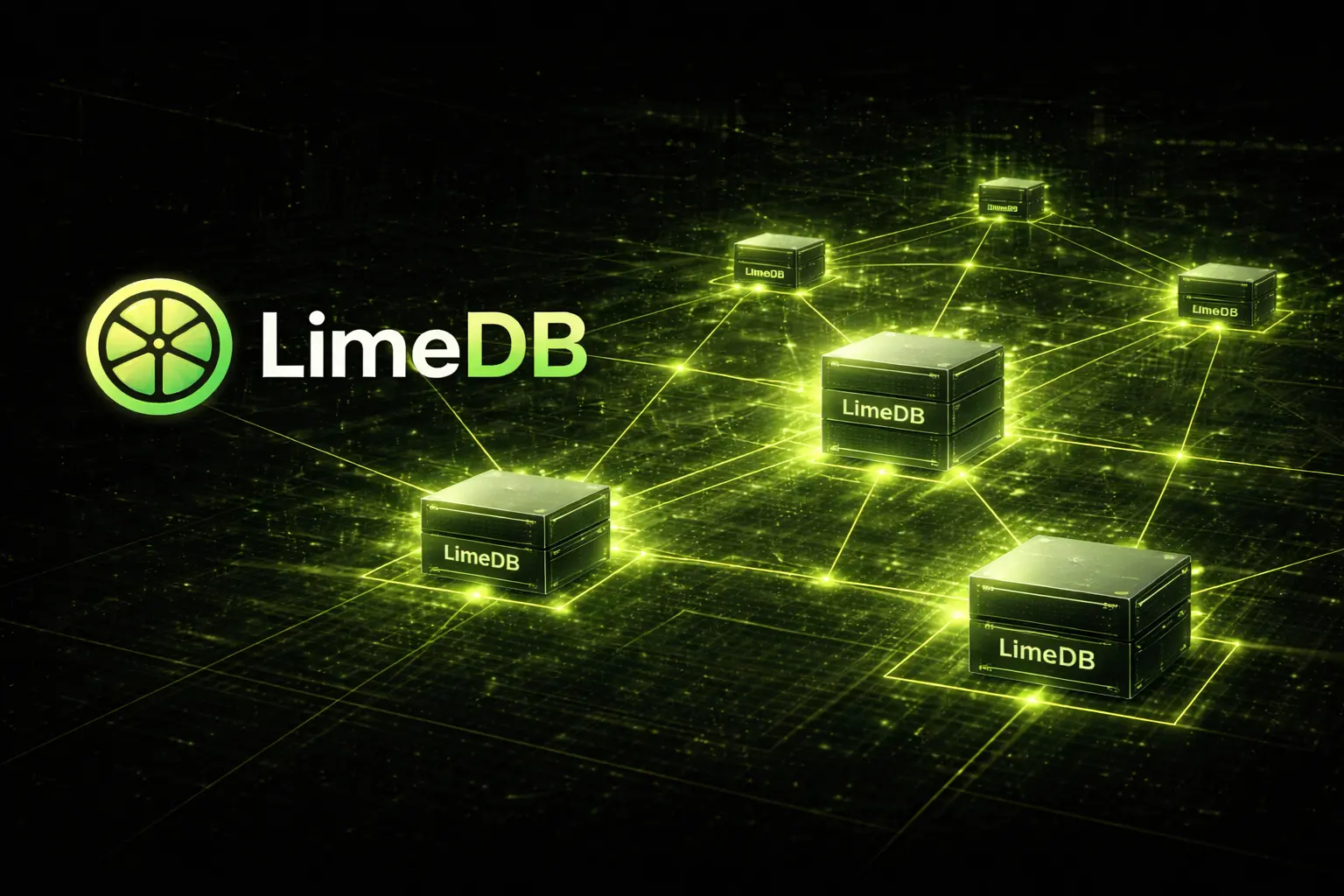
LimeDB is a distributed key-value database built from scratch to understand distributed systems, database internals, and horizontal scaling. It implements a peer-to-peer architecture where any node can act as both coordinator and storage.
Key Features
- Peer-to-Peer Architecture: No single point of failure - any node can handle requests
- Consistent Hashing: Hash ring with virtual nodes for optimal load distribution
- REST API: GET/SET/DELETE operations with automatic routing
- PostgreSQL Storage: Transitional storage engine with plans for custom LSM trees
- Real-time Monitoring: Terminal UI for cluster health visualization
- Docker Support: Ultra-lightweight containers (<50MB) with multi-platform releases
Architecture
LimeDB uses a peer-to-peer coordinator-shard pattern where clients can connect to any node. Each node:
- Handles requests locally if it owns the data
- Routes to the correct peer using consistent hashing
- Shares cluster state via gossip protocol
Roadmap
Phase 2 (In Progress): Consistent hashing, performance analysis, connection pool optimization
Phase 3: Production readiness with gossip protocol, health checks, dynamic rebalancing
Phase 4: Custom LSM tree storage engine replacing PostgreSQL
Phase 5: Advanced features including compression, caching, and cross-datacenter replication
Tech Stack
- Language: Go 1.21+ with FastHTTP
- Database: PostgreSQL 14+ (transitional)
- Routing: MD5-based consistent hashing with virtual nodes
- Communication: HTTP REST for inter-node communication
- Monitoring: Textual TUI for real-time cluster status
This project represents a deep dive into distributed systems fundamentals - understanding CAP theorem, consensus protocols, and database internals through hands-on implementation.
Spectre is licensed under the MIT license.
← Back to projects